What can be assessed before a sale?
Start with the claim reference, the procedure, the recorded holder and the current portal status. An initial enquiry lets a buyer identify missing information and decide whether to examine the transaction further. It does not establish that an unfinished or failed verification can be disregarded.
If receiving a distribution is difficult, you can request a quote for your FTX claim. Include the actual restriction and any outstanding notice so the discussion is based on your claim's circumstances. An indicative price remains subject to the checks and terms required for the deal.
What needs checking before an agreement?
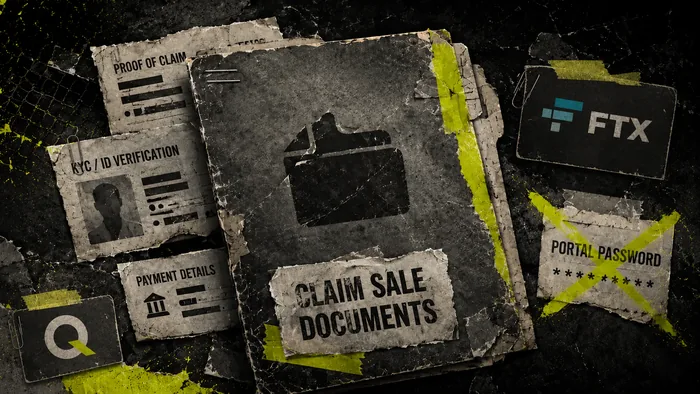
The transaction needs a clear record of the claim and the person or entity entitled to transfer it. Prepare the claim identifier, amount, class where applicable, ownership records and information about previous distributions or transfers. State whether the account is held personally or by a company and who has authority to sign.
Also clarify the buyer's identity, AML and sanctions checks, the evidence requested from each party and how unresolved issues will be handled. FTX explains the identity and compliance purposes of its own checks in FTX Claims KYC. A buyer's assessment is a separate part of agreeing a transaction; it does not by itself waive the procedure's requirements.
U.S. claims: transfer formalities still matter
FTX's sales guidelines describe a transfer notice filed on the Chapter 11 docket and validation by Kroll. The resulting notice to the parties starts a 21-day objection period. Signing a purchase agreement alone does not start that period.
The same guidance tells buyers to check with the original holder whether any previous distributions have been forfeited. This can affect the rights and value being purchased. It also sets out the route for updating the account holder. Confirm who will complete each step and what evidence is needed. The transfer procedure is not a blanket statement that any seller's KYC issue is irrelevant.
Bahamas claims: both parties have KYC responsibilities
The Bahamas process has its own transfer form and account procedure. The official transfer guide requires both transferor and transferee to complete KYC before distributions can be made. Before purchase, the guide makes the buyer responsible for checking that the claim is KYC-verified and reviewing its payment and transfer history. It also strongly encourages buyers to purchase claims that are already KYC-approved.
Use those requirements when discussing a Bahamas transaction. Do not assume that signing a U.S.-style transfer notice or the buyer completing its own checks resolves the seller's obligations in this procedure.
If your verification is unfinished or failed
Provide the exact status and relevant correspondence. A pending review, a request for another document and a refusal require different assessments. For the U.S. process, use the official FTX status definitions to identify the stage; a refusal is covered in the rejected KYC guide.
Before accepting terms, ask whether the buyer can proceed on the documented facts, which conditions must be met and what happens if verification or transfer cannot be completed. The agreement should make those conditions and the payment trigger clear.
If the problem is ownership after a P2P purchase
A seller's unfinished identity review is different from having bought an account without a recorded claim transfer. In the latter case, first establish who is recognised as the holder and what authority you have. See who owns the claim after a P2P account purchase.
What the sale terms should make clear
Confirm the claim being transferred, treatment of past and future distributions, each party's documents and actions, the agreed consideration and when payment becomes due. If payment is in USDT, specify the network and destination wallet as part of those terms. Do not infer a payment date from a general estimate of how long a transfer might take.
Frequently asked questions
Can I ask for an offer while KYC is still pending?
You can disclose the pending status when asking for an assessment. Whether a buyer can make a firm offer or complete the purchase depends on the claim, the procedure and the checks required for the transaction.
Does the buyer’s KYC replace every seller requirement?
No such general conclusion follows. Identify which checks belong to the buyer, seller and relevant claims procedure, and resolve those requirements in the proposed transaction.
Whose KYC matters in a Bahamas claim transfer?
The official Bahamas transfer guide gives both the transferor and transferee KYC responsibilities and links distributions to completion by both parties. Do not assume the buyer’s checks alone resolve the seller’s requirements.
Does signing the sale agreement start the U.S. 21-day objection period?
No. FTX’s transfer guidance places the start of that period at the notice sent to the parties after Kroll validates the transfer. Signing the agreement is a separate event.