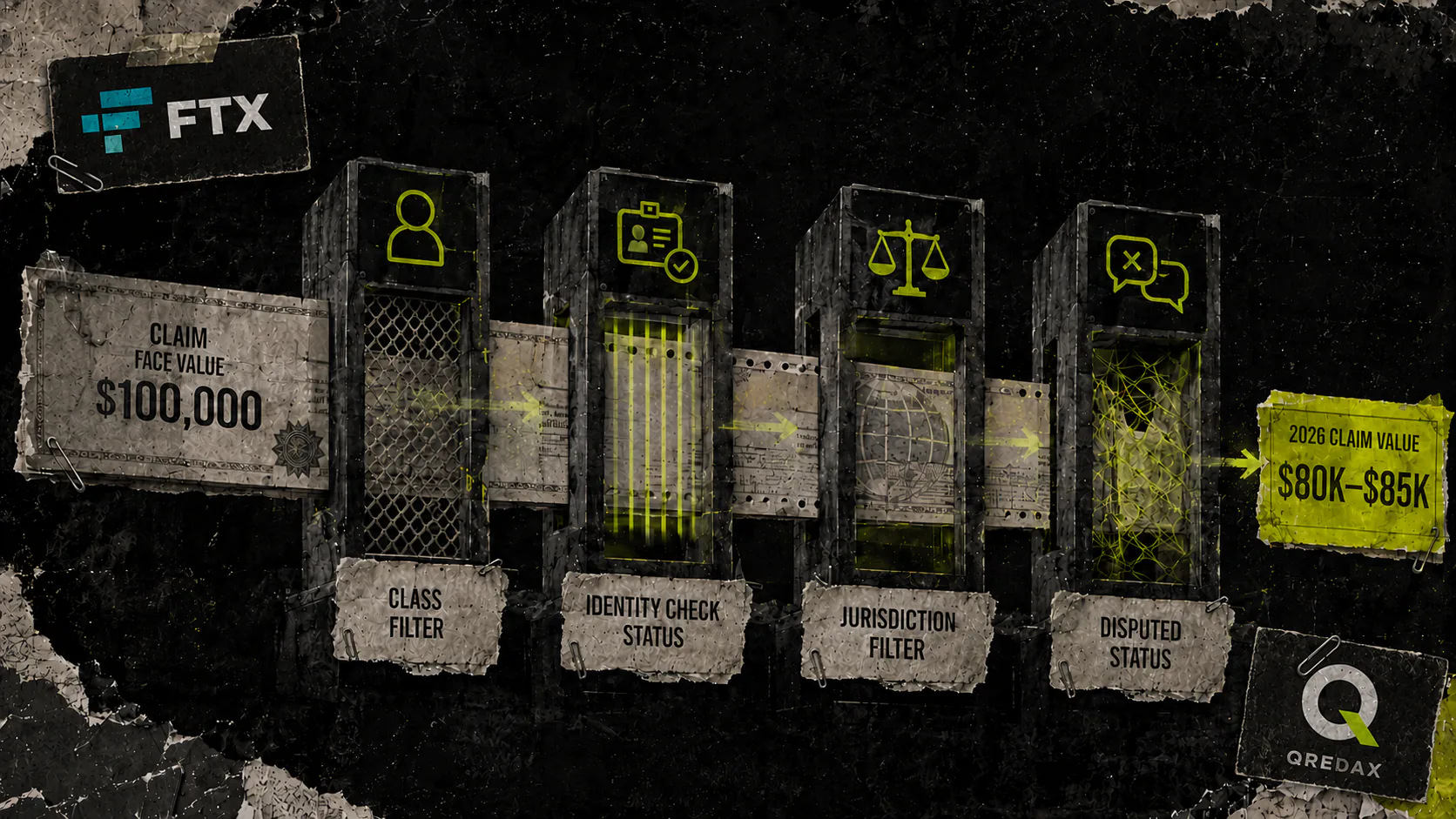
The first question almost every FTX creditor asks is simple: how much is my claim worth? The honest answer is that there is no single price. The offer you receive for selling an FTX claim depends on what kind of claim it is and what condition it is in.
Two creditors can hold claims with the same face value and be quoted very different amounts. One has a clean Class 5A claim with KYC already cleared. The other is stuck in KYC review and lives in a jurisdiction that complicates distribution. The claim amount on paper is identical; the FTX claim value to a buyer is not.
This guide explains what actually sets your FTX claim price - the class, your KYC status, your jurisdiction, and any dispute - and shows the Qredax offer pricing tiers as ranges, so you can see roughly where a claim like yours would land before you ask for a quote.
In market terms an FTX claim is a piece of distressed debt, and its price tracks the estate's net asset value (NAV) - the recoverable assets behind each dollar of allowed claim - discounted for time and risk.
Face Value Is Not the Same as Claim Value
Face value, allowed amount and sale price answer different questions. Face value is the stated claim amount used in a quotation; confirm whether that means a filed, scheduled or allowed amount. The allowed amount is the amount accepted in the bankruptcy. The sale price is what the buyer offers for the rights described in the assignment.
A cumulative Trust distribution percentage is another measure. It can include amounts paid in earlier rounds. It is not automatically the percentage a buyer will pay today, or the amount still available to the seller.
FTX Claim Price: What Is the Percentage Applied To?
A price percentage is incomplete without its base. Ask whether the offer is a percentage of the original allowed amount, the portion being assigned or an estimate of remaining distributions. Then compare the net cash payment for the same rights.
| Illustrative position | Amount | What it measures |
|---|---|---|
| Original allowed claim | $10,000 | The face-amount basis in this example |
| Estimated unpaid recovery being sold | $3,000 | A hypothetical future amount, not a forecast |
| Buyer's cash offer | $2,400 | 24% of the original amount, or 80% of estimated unpaid recovery |
The two percentages describe the same $2,400 offer. They are not two competing prices. This example is arithmetic only, not a Qredax quote or an estimate of what any FTX claim will recover; costs and taxes are excluded.
List distributions already received, unpaid amounts and any forfeited entitlement before asking for a price. FTX's buyer guidance specifically calls for checking prior forfeitures during diligence.
What Determines Your FTX Claim Value
Four properties of a claim do most of the work in setting an offer. None of them are about the buyer being generous or stingy - they are about how clean and collectible the claim is.
- Claim class. Class 5A, Class 5B and the Class 7 Convenience class do not recover the same way or on the same schedule. The class is the single biggest input into FTX claims pricing.
- KYC status. A claim where Kroll has already verified the holder is straightforward. A claim stuck in KYC review carries an unresolved step, and the offer reflects that risk.
- Jurisdiction. Where the creditor is located affects how smoothly a distribution can be received. Some jurisdictions add friction; restricted ones add more.
- Disputes and objections. If the Trust has objected to a claim, or its amount is contested, the claim is not yet fully allowed - and an offer on a disputed claim is priced for that.
A claim that scores well on all four - correct class, KYC cleared, accessible jurisdiction, no dispute - is what the market calls a clean claim. It commands the highest offer. Every unresolved issue moves the number down.
FTX Claim Price: The Qredax Offer Tiers
Qredax groups offers into ranges based on the condition of the claim. These are offer ranges - the percentage of face value a seller receives - not official Trust figures and not a market index. Your actual quote depends on the specifics of your claim, but the tiers show the structure.
| Claim condition | Qredax offer (% of face value) |
|---|---|
| Clean Class 5A, KYC cleared, accessible jurisdiction | up to 95% |
| Class 7 Convenience class claim | up to 70% |
| Claim stuck in KYC review | Priced individually |
The top tier is for the cleanest possible claim. As soon as a claim has an open question - KYC unresolved, a harder jurisdiction - it moves into a lower band, because the buyer is now pricing in the work and the wait needed to resolve that question.
These bands are not stacked: a claim is placed in the one tier that best describes its overall condition, not penalised once per issue. A clean claim in a difficult jurisdiction is priced as a jurisdiction case; a KYC-stuck claim that is otherwise fine is priced as a KYC case.
These published maximums are not an offer for every remaining claim position. The written quote must identify the price basis, distributions already received, the rights being sold and any costs deducted from the seller's payment.
Compare a Sale With the Recovery Still Ahead
Compare the net sale proceeds with the unpaid recovery rights you would otherwise keep, on their expected dates. Exclude amounts you have already received from both sides. A cumulative recovery figure is not a substitute for that calculation.
Our sell-or-wait calculation compares identical remaining rights. If you want to retain some exposure, see selling only part of an FTX claim.
Why a KYC or Jurisdiction Problem Lowers the Number
It is worth being clear about why these issues cost you, because it is not arbitrary. When a buyer purchases a claim, the buyer steps into your position and must collect the distributions itself. Anything that stands between the claim and a paid distribution is now the buyer's problem to solve.
A claim stuck in KYC review is a claim that cannot yet be paid. The buyer prices that resolution work and that delay into the offer. It is the same logic the Trust uses when it pays on allowed amounts only - an unresolved claim is simply worth less until it is resolved.
Clearing an issue before a sale may affect the offer. Compare the likely improvement with the time and cost of resolving it. See KYC before selling an FTX claim and the documented case of a disputed portal label after allowance. A portal label alone is not a substitute for the underlying records.
How Claim Class Changes the Percentage
Class deserves its own look, because it is the largest single input into FTX claims pricing and it is often misunderstood. The class is not something a buyer assigns - it is set by the structure of the FTX plan and recorded against your claim in the bankruptcy.
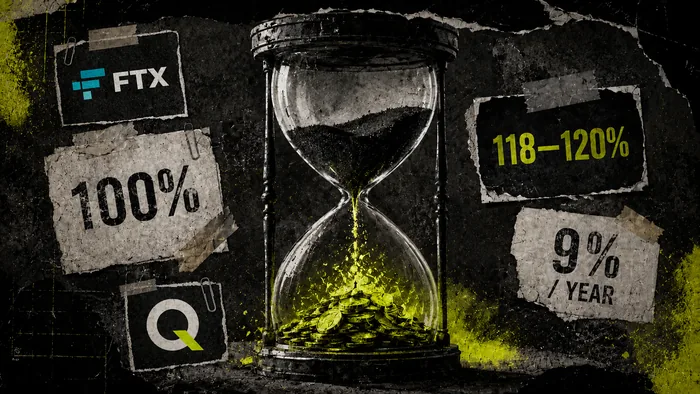
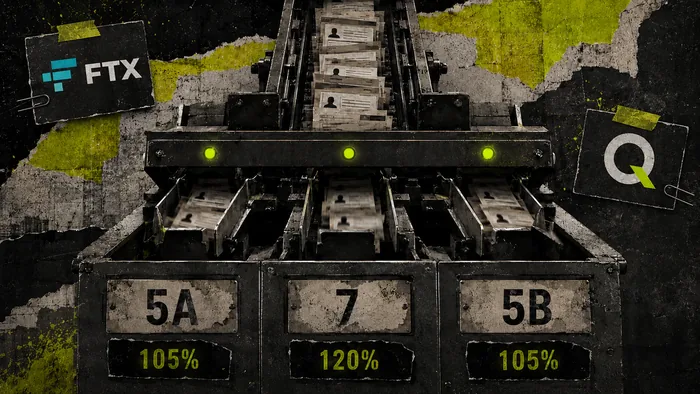
FTX's July 17, 2026 announcement stated cumulative distributions of 105% for Classes 5A and 5B and 120% for Class 7 for the scheduled July 31 round, subject to eligibility. Those are cumulative class-level figures, not additional recovery still due on every claim or evidence of an individual creditor's receipt. The Plan announcement stated that approximately 98% of FTX creditors by number would receive about 118% of their allowed claim amounts within 60 days after the effective date.
This is why the offer ranges are organised partly by class. A Class 7 claim and a clean Class 5A claim are both good claims, but they are not the same instrument, and the percentage a buyer can offer reflects how and when each one is expected to pay out. If you are unsure which class your claim sits in, our guide to FTX claim classes explained walks through how to read it from your Kroll records.
Getting an Accurate Number for Your Claim
A tier is a starting point, not a quote. Prepare the claim or schedule number, class, KYC status, jurisdiction, any objection, distribution history and the rights you intend to sell. The buyer needs enough information to distinguish the original claim amount from the position that remains. Use the document checklist for an FTX claim sale to prepare those records.
Be cautious with any buyer who quotes a headline percentage before seeing your claim details. A real offer is built on your claim's actual condition. A number offered with no information is a marketing figure, not a price.
If you have your claim details to hand, you can request a quote from Qredax. The class and KYC status tell most of the story; the jurisdiction and any dispute fill in the rest. From there the offer is a specific amount in USDT, not a range.
Check what your claim is worth
Enter your customer code - we will show an estimate that accounts for class and KYC status. Free, no obligation.
Open the calculatorFAQ
Find out what your FTX claim is worth.
Send us your claim number, class, and jurisdiction. We respond with a firm offer in USDT within one business day, and an NDA is in place before any documents are exchanged. There is no obligation to accept.
Get a Quote